
Gas Furnace Installation & Repair in Central PA
Reliable forced-air heating, installed and serviced since 1927.
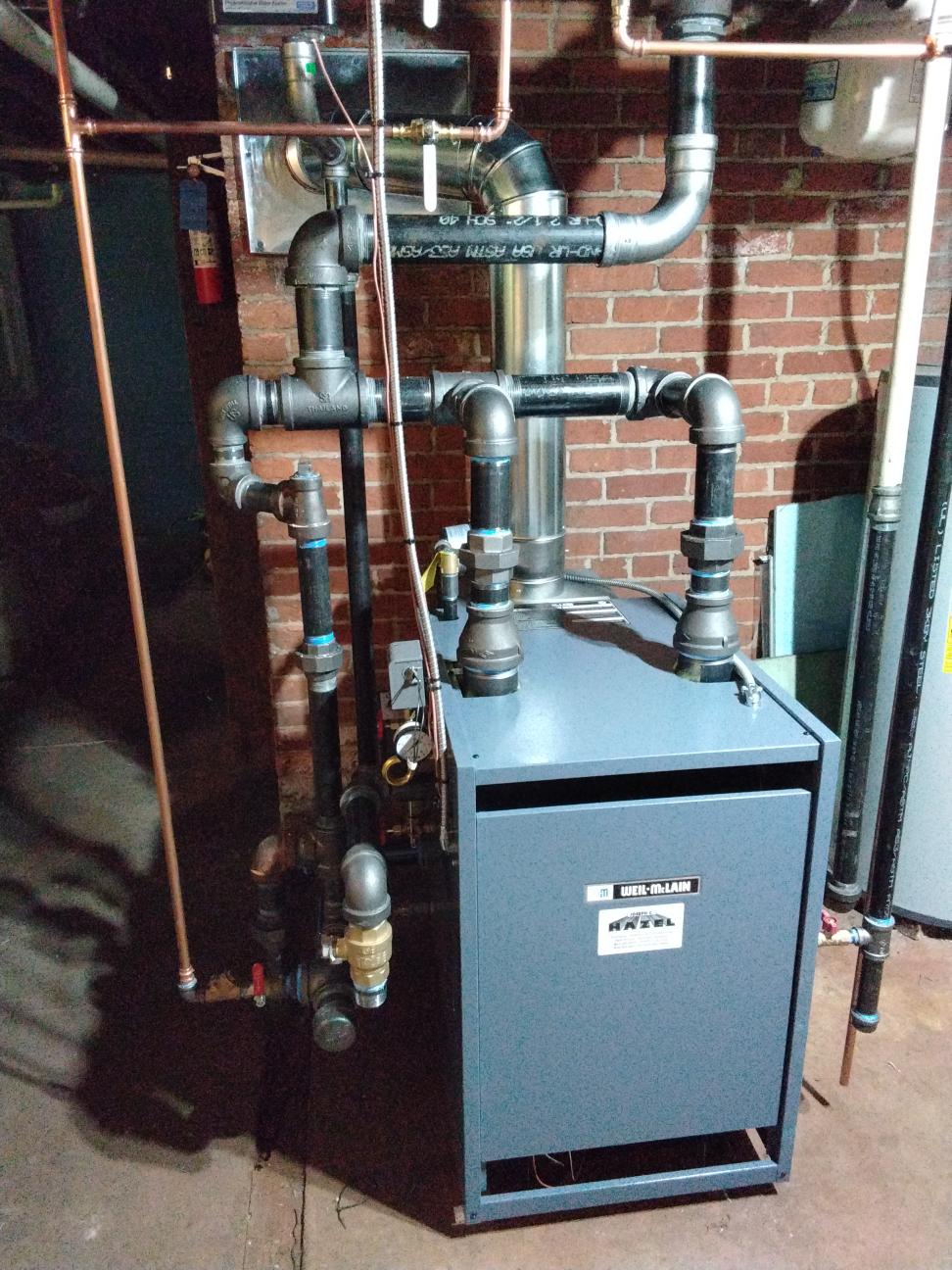
Dependable Heat When It Counts
For a lot of homes in Central Pennsylvania, a gas furnace is the workhorse — dependable, powerful, and able to heat a house fast on the coldest mornings. It’s also the system you notice most when it fails, usually at the worst possible time. We install furnaces built to last and service the ones you already have, so the heat is there when you need it.
Whether yours is short-cycling, blowing cold air, making noises it didn’t used to, or just aging out, we’ll diagnose it honestly — and if it’s time to replace, we’ll size the new unit to your home instead of selling you more furnace than you need.
What We Handle
Repairs, tune-ups, and full installations on gas furnaces.
- Repair — no heat, short-cycling, blower and ignition faults
- Full furnace replacement
- New installation
- Annual tune-ups to keep efficiency and safety up
- Safety and carbon-monoxide checks
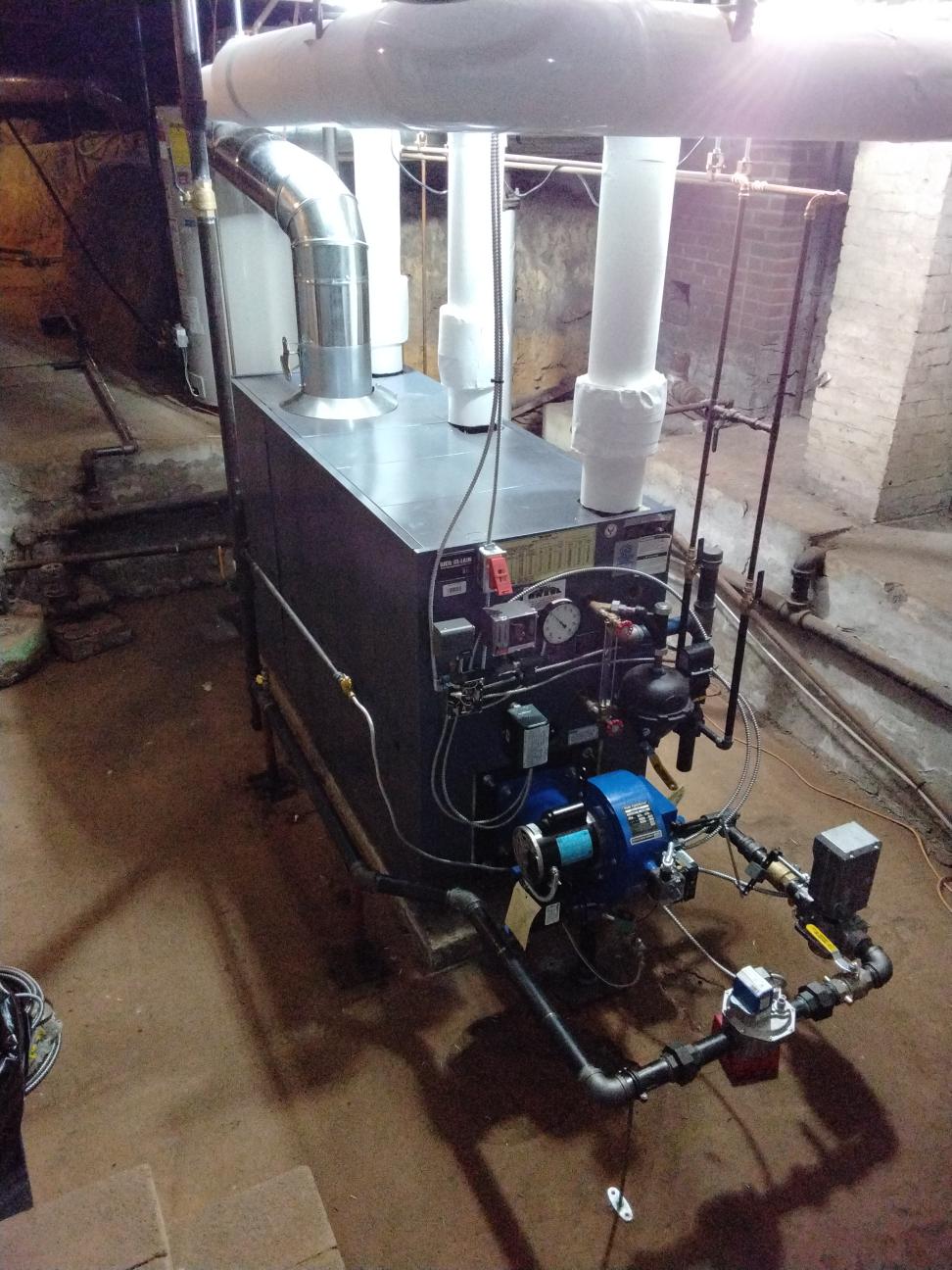
High-Efficiency Furnaces
York units that squeeze more heat from every dollar of gas — a strong choice when replacing an old furnace.
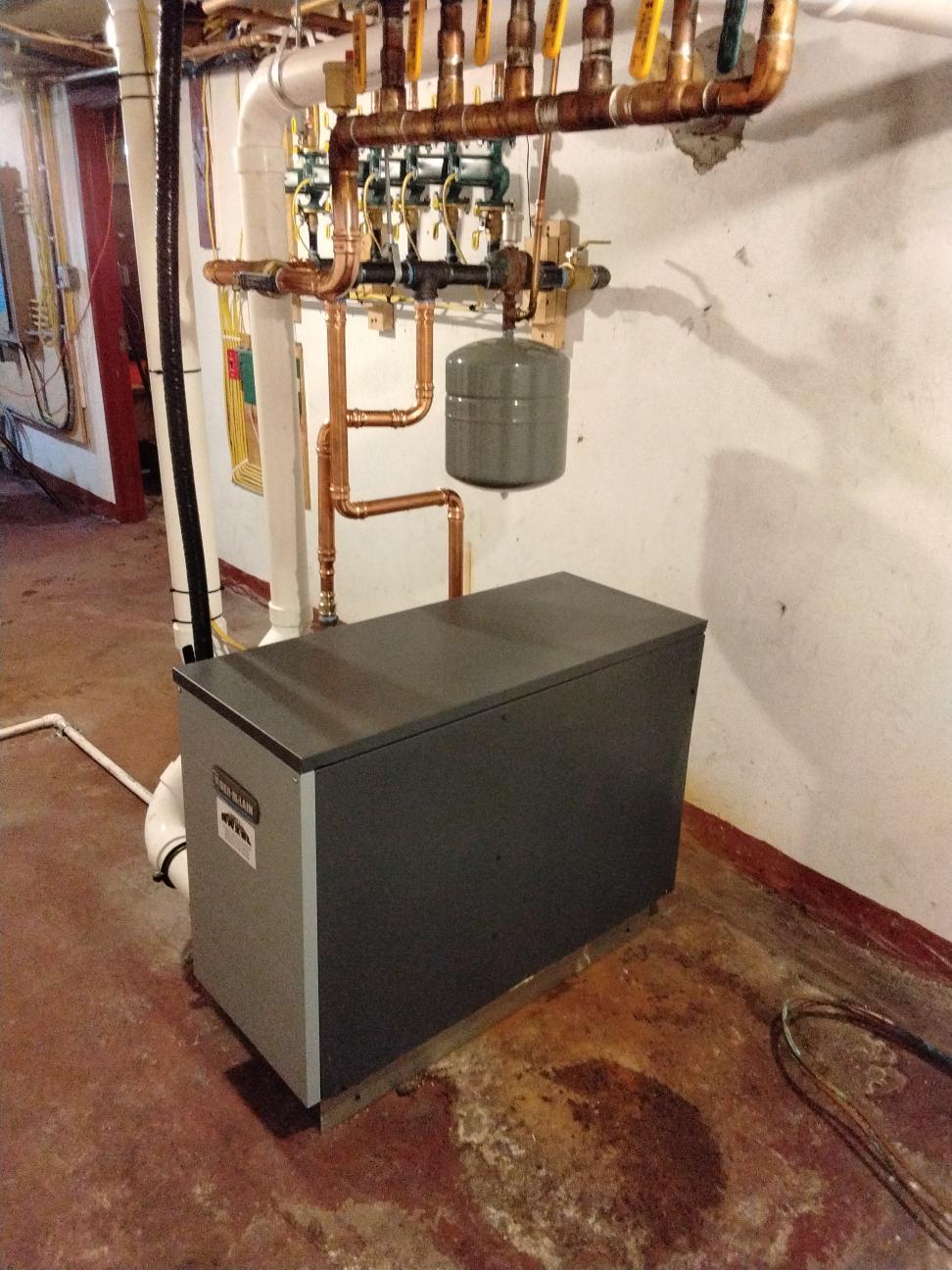
Standard-Efficiency
A dependable, lower-cost option when a high-efficiency upgrade isn’t the right fit for the home.
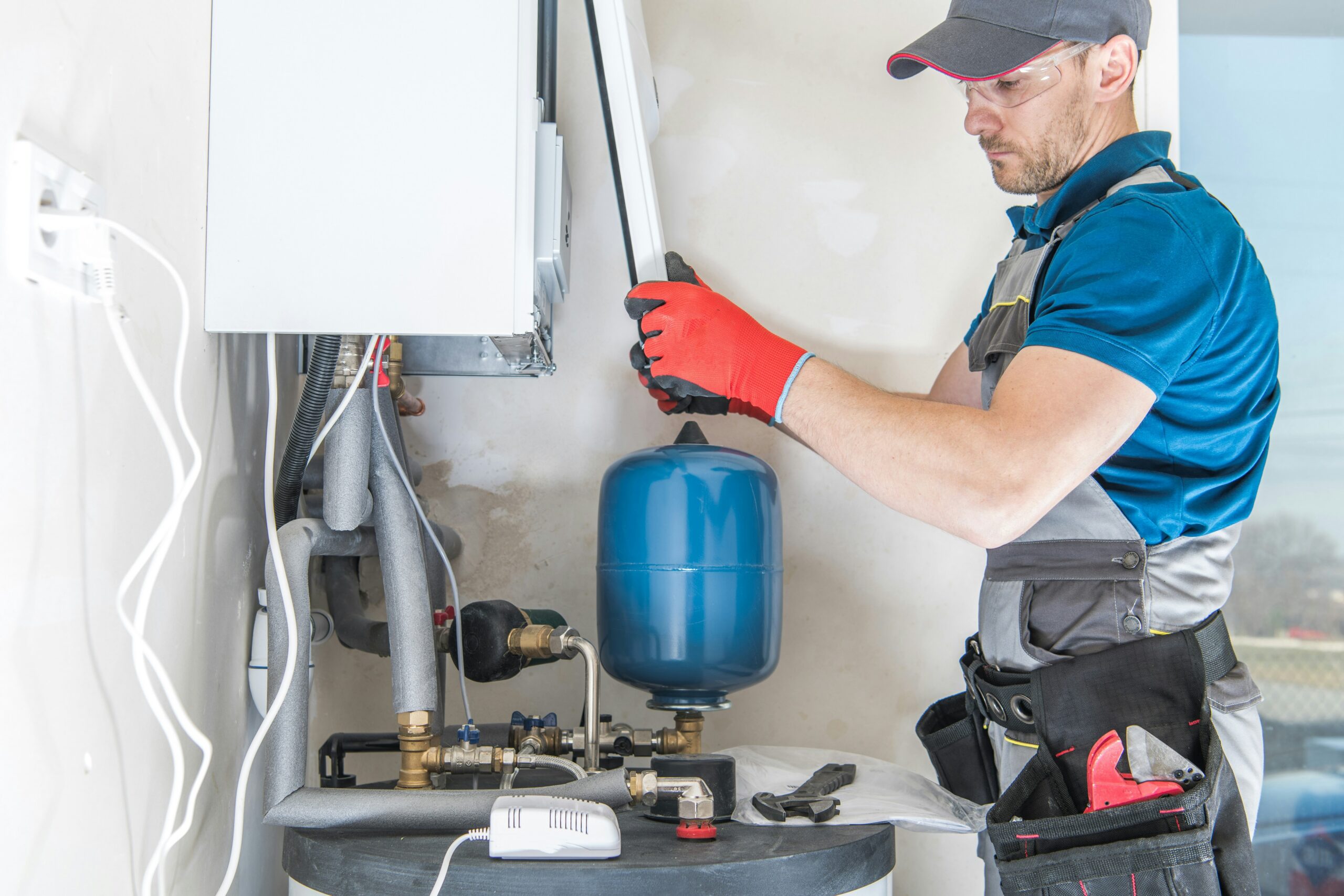
Repair & Maintenanc
Diagnosis, repair, and annual tune-ups that keep your current furnace running safely and efficiently.
Gas Furnace Questions We Get Asked
How long does a gas furnace last?
A well-maintained gas furnace usually runs 15–20 years. Past that, efficiency drops and parts get harder to find. If yours is in that range and starting to need repairs, it’s worth pricing a replacement before it quits on a cold night.
Should I repair or replace?
The rule of thumb: if the repair costs more than about a third of a new furnace and the unit is past 15 years, replacement is usually the smarter money. A newer, higher-efficiency furnace also cuts your gas bill, which offsets some of the cost over time. We’ll give you both numbers so you can decide.
What does furnace efficiency (AFUE) mean for my bill?
AFUE is the percentage of fuel your furnace turns into usable heat. An 80% AFUE furnace wastes a fifth of the gas it burns; a 96% unit wastes almost none. Over a cold Pennsylvania winter, that gap shows up on your bill every month — which is why a high-efficiency furnace often pays back part of its cost in fuel savings.
Do you check for carbon monoxide?
Yes. A cracked heat exchanger or poor combustion can leak carbon monoxide, which is why our tune-ups include a safety check. If you don’t already have working CO detectors near your sleeping areas, we’ll tell you to add them — it’s the cheapest safety upgrade in the house.
Need a Furnace Repaired or Replaced?
Call (814) 355-4841 or request service online. On call until 11pm, seven days a week.